NICOTINE
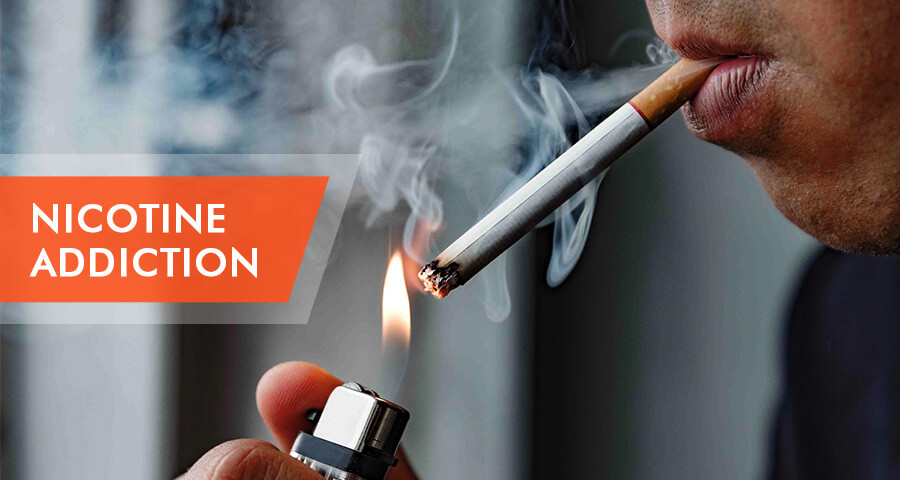
Nicotine abuse refers to the compulsive use of nicotine-containing products, leading to addiction and various health risks.
What is Nicotine Abuse?
National Institutes of Health (NIH)+1
Effects of Nicotine on the Body and Mind
- Addiction: Nicotine is one of the most addictive substances, comparable to opioids and cocaine. When inhaled, it reaches the brain within seconds, triggering the release of dopamine, which creates feelings of pleasure and reinforces the behavior of using tobacco. 2
- Health Risks: Long-term nicotine use can lead to serious health issues, including cardiovascular diseases, respiratory problems, and various cancers. It also negatively impacts brain development in adolescents, affecting attention, memory, and learning. 2
2 Sources
Withdrawal Symptoms
When a person attempts to quit nicotine, they may experience withdrawal symptoms, which can include:
- Irritability and anxiety
- Cravings for nicotine
- Depression and mood swings
- Cognitive deficits and difficulty concentrating
- Increased appetite and weight gain 2
2 Sources
Treatment and Support
- Nicotine Replacement Therapy (NRT): Options like patches, gum, and lozenges can help reduce withdrawal symptoms and cravings, making it easier to quit. 1
- Behavioral Support: Counseling and support groups can provide the necessary encouragement and strategies to overcome addiction. 1
- Medications: Prescription medications, such as bupropion and varenicline, can also assist in quitting by reducing cravings and withdrawal symptoms. 1
Conclusion
Nicotine abuse is a significant public health issue that requires comprehensive treatment approaches. Understanding its effects, recognizing withdrawal symptoms, and seeking appropriate support can help individuals overcome addiction and improve their overall health. If you or someone you know is struggling with nicotine dependence, consider reaching out to healthcare professionals for guidance and support.
ALCOHOL


Medical News Today
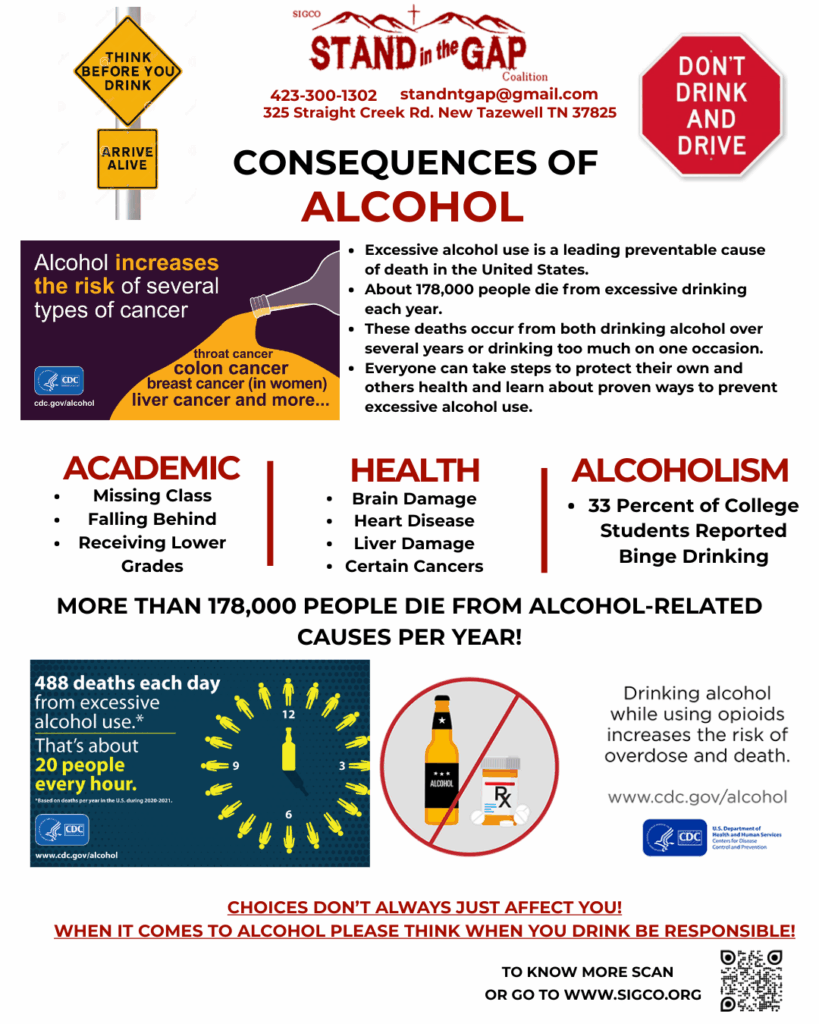
Health risks associated with alcohol abuse include liver diseases, heart diseases, various cancers, and mental health issues like depression and anxiety. According to the National Institute on Alcohol Abuse and Alcoholism, alcohol misuse can lead to significant social and health problems, including underage drinking and binge drinking.
WHO+1
For more detailed statistics and information on treatment options, you can refer to the National Institute on Alcohol Abuse and Alcoholism and the World Health Organization.
Key points
- Excessive alcohol use can have immediate and long-term effects.
- Excessive drinking includes binge drinking, heavy drinking, and any drinking during pregnancy or by people younger than 21.
- Drinking less is better for your health than drinking more.
- You can lower your health risks by drinking less or choosing not to drink.

Why it’s important
- Your liver can only process small amounts of alcohol.
- The rest of the alcohol can harm your liver and other organs as it moves through the body.
- The rest of the alcohol can harm your liver and other organs as it moves through the body.
- Using alcohol excessively on occasion or over time can have immediate and long-term health risks.
- By drinking less alcohol, you can improve your health and well-being.
Deaths from excessive alcohol use
178,000
About 178,000 people die from excessive alcohol use each year in the United States.1
Understanding alcohol use
Excessive alcohol use
Excessive alcohol use is a term used to describe four ways that people drink alcohol that can negatively impact health. Excessive drinking can also be deadly.
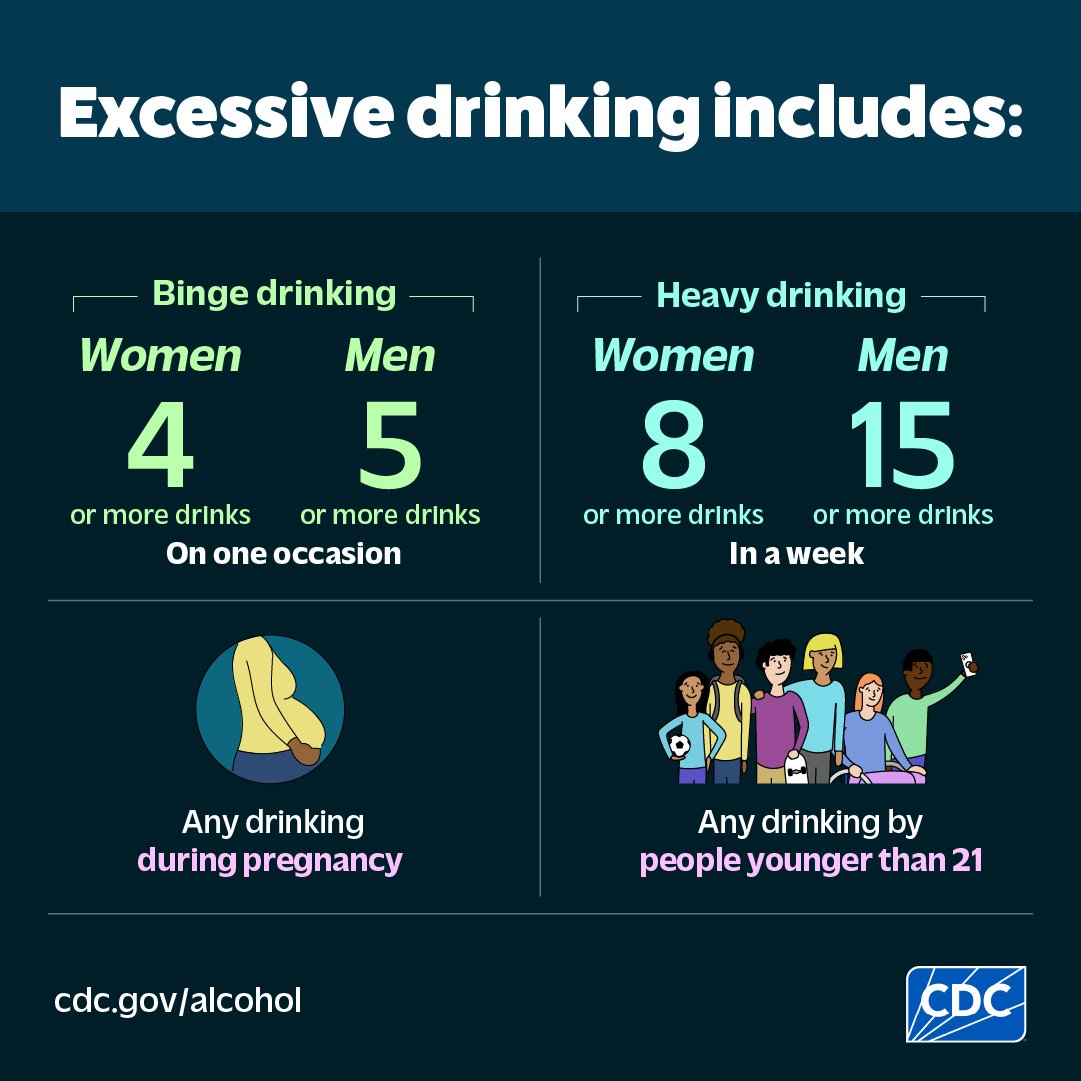
Excessive alcohol use includes:
- Binge drinking—Four or more drinks for women, or five or more drinks for men during an occasion.
- Heavy drinking—Eight or more drinks for women, or 15 or more drinks for men during a week.
- Underage drinking—any alcohol use by people younger than 21.
- Drinking while pregnant—any alcohol use during pregnancy.
Moderate alcohol use
- Moderate drinking is:
- Keep in mind that a beverage that you drink might have more than one standard drink of alcohol in it.
Check your drinking
Take a few minutes to check your drinking. You will get personalized feedback that can help you decide if you want to drink less.
Majroina
Marijuana Abuse and Addiction: Know the Signs
Updated on August 18, 2024
Medically reviewed by Aleesha Grier, PsyD
Table of Contents
Marijuana comes from the Cannabis sativa or Cannabis indica plant. It’s often made from the dried leaves and flowers of the plant and even the seeds and stems. It contains a chemical called THC, which is a psychoactive chemical.1
While many people use marijuana (it’s the third most commonly used addictive drug, after tobacco and alcohol) most won’t become addicted. About 1 in 10 people who use marijuana will become addicted; when they start using before the age of 18, the number increases to 1 in 6.2
:max_bytes(150000):strip_icc():format(webp)/marijuana-abuse-5212006-DD-Final-a051be4ff2f742c996071072bc1f2796.jpg)
Research suggests that about 30% of people who use marijuana might have marijuana use disorder, the severity of which can vary.3
Cannabis use disorder is widely defined as problematic use of cannabis that results in significant distress or impairment with at least two issues within a 12-month period, like the substance use results in not being able to meet work, social, or familial obligations, or the substance use continues even after it’s affected or caused interpersonal issues.
Signs and Symptoms of Marijuana Abuse and Addiction
When someone you love is abusing marijuana or addicted to it, there are often signs and symptoms to look for. Knowing what these are can help you approach your loved one in a caring way.
Marijuana Abuse
Substance abuse occurs when an individual regularly uses drugs or alcohol and experiences negative consequences as a result. This can include missing work or school, getting in trouble with the law or school authorities, or putting oneself in dangerous situations.4
Signs of marijuana abuse can include:4
- Tolerance, which means using more of the drug to get the desired effects
- Craving the substance
- Abandoning social or occupational activities because of the drug use
- Repeatedly trying to cut back or stop using, to no avail
- Spending a lot of time searching for, using, or recovering from drug use
- Engaging in high-risk behaviors while under the influence
- Withdrawal symptoms when cannabis use is discontinued
These signs, along with any negative consequences from marijuana use, may signal a drug abuse problem.
Marijuana Addiction
Addiction refers to the compulsive use of substances driven by strong physical and psychological urges.
Signs of Addiction
Signs of addiction can include:4
- Tolerance to the drug and using more of it
- Withdrawal symptoms occur if less is used or if you stop using it
- Withdraw from social activities
- Continued use despite awareness of all of the problems associated with the drug use
Withdrawal Symptoms
Cannabis withdrawal syndrome is now found in the “Diagnostic and Statistical Manual of Mental Disorders, Fifth Edition” (DSM-5). It’s characterized by the presence of at least three of these symptoms and develops within seven days of reduced marijuana use:5
- Irritability, anger, or aggression
- Nervousness or anxiety
- Sleep disruptions
- Changes in appetite or weight
- Restlessness
- Depressed mood
- Somatic symptoms: headache, nausea, sweating
Who Is At Risk for Marijuana Abuse?
Although anyone who uses marijuana has the potential to abuse it, there are risk factors that can make marijuana abuse more likely. Having these risk factors doesn’t mean you definitely will develop a substance abuse problem, but you may be more at risk.
Risk Factors for Substance Abuse
There are various risk factors that can increase your risk of developing a substance abuse problem. These can include:6
- Poverty
- Family history of addiction
- Family history of mental illness
- Lack of parental involvement
- Abuse
- Personal mental illness, including depression and anxiety
- Learning disorders
- ADHD
Protective factors can help people avoid substance use disorders. Things like extended family support, language-based discipline from parents, and a supportive peer group can help counteract some risk factors.6
Marijuana Abuse in Teens
Teens naturally take risks and push the envelope. Many teens will try illicit substances.
The teenage brain is immature and still developing. If marijuana is abused during these years, it can interfere with brain development. Side effects can include:7
- Trouble thinking and concentrating
- Memory, learning, and attention problems
- Increased risk of mental health issues
- Increased risk of addiction
What Are Signs My Teen Is Marijuana?
Signs of marijuana use can include:8
- Smelling like pot
- Bloodshot eyes
- Mood swings
- Laziness and tiredness
- Paranoia
- Marijuana accessories like bongs or pipes
Marijuana Abuse in Pregnancy
Marijuana is the most commonly used illegal drug during pregnancy.9
According to the American Academy of Pediatrics, there’s no safe amount of marijuana during pregnancy or breastfeeding. In addition to THC, there are almost 500 chemicals in marijuana.10
These chemicals can cross the placenta and affect the fetus. Many studies have been done on the effects of marijuana abuse during pregnancy, and results are conflicting, possibly because of other substances used and/or abused during pregnancy, including tobacco.9
There are studies of children whose mothers used marijuana when pregnant with them. These children were found to have decreased verbal reasoning skills and more hyperactivity, impulsivity, and decreased attention.11
However, there may be other reasons for these findings and more research is necessary.
Treatment for Marijuana Abuse
There’s treatment for marijuana abuse. If you think you might have a problem, there’s help out there.
Talk Therapy
Cognitive behavioral therapy (CBT), motivational enhancement therapy (MET), and contingency management (CM) have all been used in treating cannabis use disorder, and it was found that a combination of all three might be most effective.12
CBT helps people identify why they use, develop relapse prevention and coping skills, and come up with more effective behaviors.
MET is based on motivational interviewing and helps to increase changes in behavior by giving nonjudgmental feedback and helping people set goals.
CM uses operant conditioning with a target behavior; this means that the desired behavior is rewarded and reinforced to increase the likelihood of it occurring again.12
Support Groups
Support groups may be another option for treatment. Finding others who are dealing with the same issues as you can be validating, and you can learn from one another about different ways to cope. Marijuana Anonymous is one such support group based on the principles of Alcoholics Anonymous.13
Motivational Incentives
Motivational incentives are part of CM, since it uses operant conditioning on positive behaviors you want to increase. The incentives are most effective when there are plenty of opportunities to get reinforcement. The reinforcement immediately follows the behavior, and the value of the motivator is significant to the person.12
Medication for Underlying Conditions
Cannabis use disorder is significantly higher in those with mental illness than in the general population.14
Cannabis use disorder is higher in those who have:14
- Schizophrenia
- Mood and anxiety disorders
- Personality disorders
- Post-traumatic stress disorder (PTSD)
Accurate diagnosis of mental health disorders and appropriate treatment, including medication, may help to reduce attempts to self-medicate with marijuana.


